Coin Flip.
Flip a virtual coin to get Heads or Tails. Pick a US quarter, UK £1 coin, or €1 coin and decide in one click.
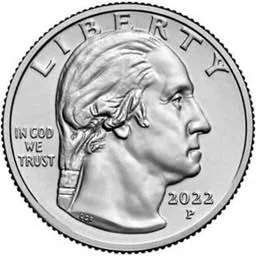
Use this coin flip tool when you need a quick, fair decision. Choose which coin to display (US quarter, UK £1, or €1), then click Flip to get Heads or Tails instantly — all in your browser.
How to use
Pick the coin style you want to see, then click Flip coin. The result (Heads or Tails) appears immediately and the coin image updates to match.
A coin flip is useful when a two-way decision needs to stop being a discussion
Some choices genuinely do not need analysis. They just need a neutral way to move forward. When there are only two acceptable options, a coin flip remains one of the cleanest ways to break the tie without pretending there is a deeper method behind it.
This tool gives you a simple Heads-or-Tails result in the browser for exactly that kind of decision.
Where it still earns its place
Quick everyday tie-breaks
If both options are acceptable, the fastest fair method is often better than more discussion.
Games and turn order
Choosing who starts or which side goes first is a classic binary decision problem.
Classroom or demonstration use
A coin flip is also a simple way to show what a binary random event looks like.
The part that matters most
The useful discipline is deciding what Heads and Tails mean before the flip. Once that is clear, the coin does its job. Most frustration with coin flips comes from treating the outcome as negotiable after the fact.
That is why the tool works best when everyone agrees the result will actually settle the question.
What this is good for and not good for
A coin flip is well suited to low-stakes, two-option choices. It is not designed for regulated draws, weighted probabilities, or any situation where you need an auditable random process.
That is not a weakness. It just defines the correct scope: simple, visible, binary randomness.
Common mistakes around coin flips
Flipping before defining the options clearly
If the meaning of each side is fuzzy, the result will not resolve anything.
Re-flipping until the preferred answer appears
At that point the flip is no longer being used as a fair chooser.
Using a coin when there are really more than two options
If the decision space is larger, a different random tool usually makes more sense.
Why it remains useful
A coin flip is basic, but basic does not mean obsolete. It remains useful because it solves a narrow problem cleanly: when two options are good enough and the group just needs a fair way to stop hesitating.
Examples
FAQ
Is this coin flip truly random?
It uses your browser’s built-in randomness to pick Heads or Tails on your device.
Does it work offline?
Yes. Once the page is loaded, the flip runs locally in your browser.
Do you store my results?
No. Nothing is saved or sent anywhere.
Related tools
Privacy and data handling
This tool runs entirely in your browser. Nothing you type or paste is sent to any server — all processing happens locally on your device.